
eng



One of the most fascinating aspects of Naples is the rich blend of mysteries and legends that characterizes its historic center. The city combines deep Catholic devotion with traditions linked to the occult.
Along the streets of ancient Neapolis, religion and superstition coexist: faith and good-luck rituals merge in a balance that reflects Neapolitan culture and tradition.
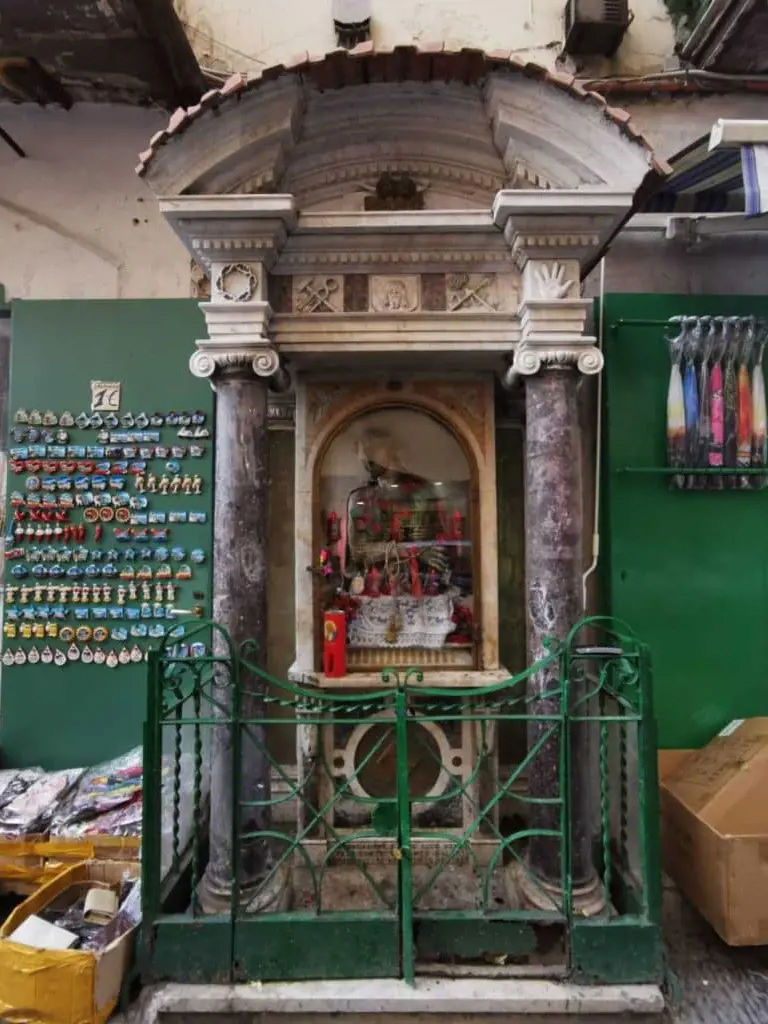
Votive shrines have very ancient origins, probably dating back to the Greek era, when it was common to dedicate small altars to the gods as a sign of devotion. Their widespread presence in Naples developed later, during the Bourbon reign of Charles III, when they began to appear in many corners of the city.
Beyond their religious significance, they also helped illuminate the narrow streets of the historic center. Today they represent a testimony to history and tradition, often passed by without much notice by Neapolitans who encounter them every day.
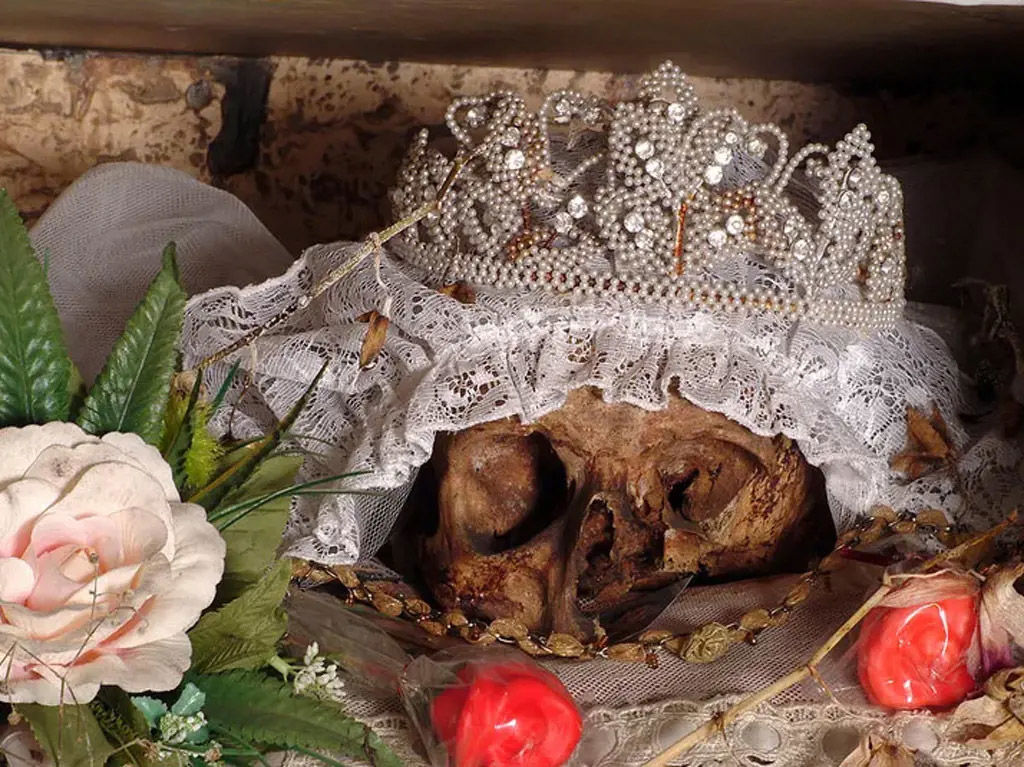
In the Church of Santa Maria delle Anime del Purgatorio ad Arco, located along the Decumano Maggiore (today’s Via dei Tribunali), visitors can find the cult of the Anime Pezzentelle, among which the skull of Lucia stands out.
The story dates back to the 19th century. The skull, decorated with a bridal veil and a crown, is surrounded by many legends. According to tradition, Lucia D’Amore, daughter of Domenico, Prince of Ruffano, never managed to celebrate her marriage to Marquis Giacomo Santomago. Different versions tell of suicide, death from grief, a failed escape, illness, or even drowning during the honeymoon journey.
Today the relic is venerated as a symbol of hope and is often invoked to ask for blessings, especially in matters of love.
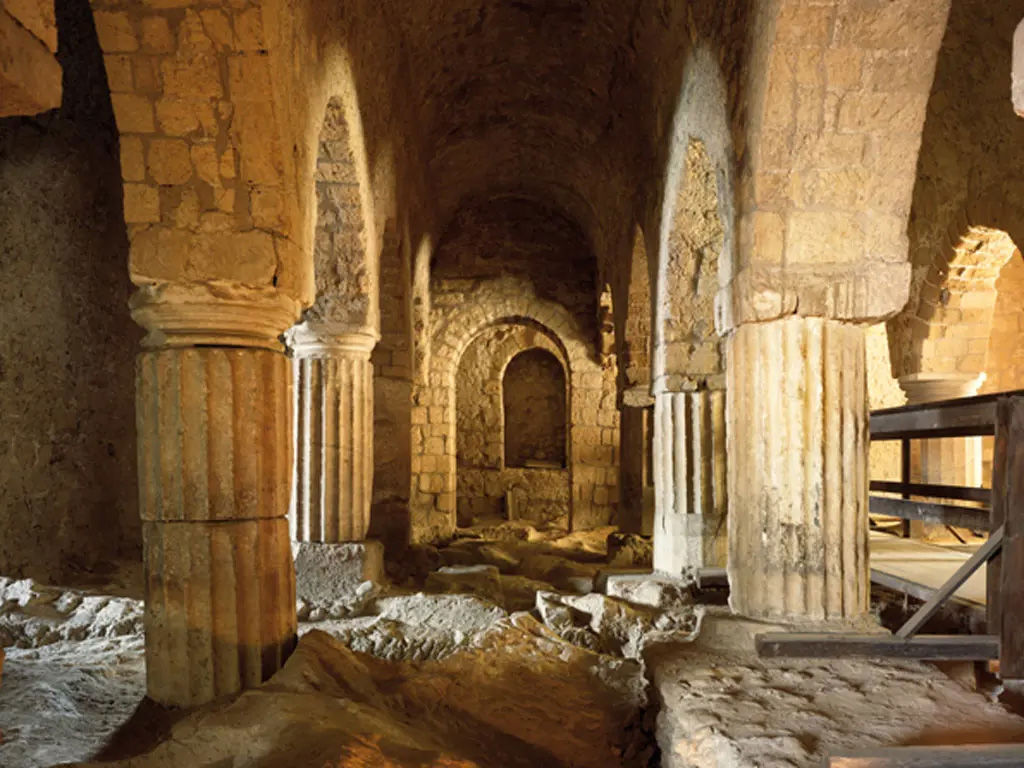
One of the most curious legends of Naples concerns Castel dell’Ovo, one of the city’s most iconic landmarks. According to tradition, the poet Virgil hid a magical egg in the castle’s underground chambers, and the fate of the fortress is said to depend on it.
During the reign of Queen Joanna, the collapse of the arch connecting the two rocks on which the castle stands caused great concern. To reassure the population, the queen reportedly declared that the egg had been replaced. This story reflects the very ancient tradition of superstition in Naples.
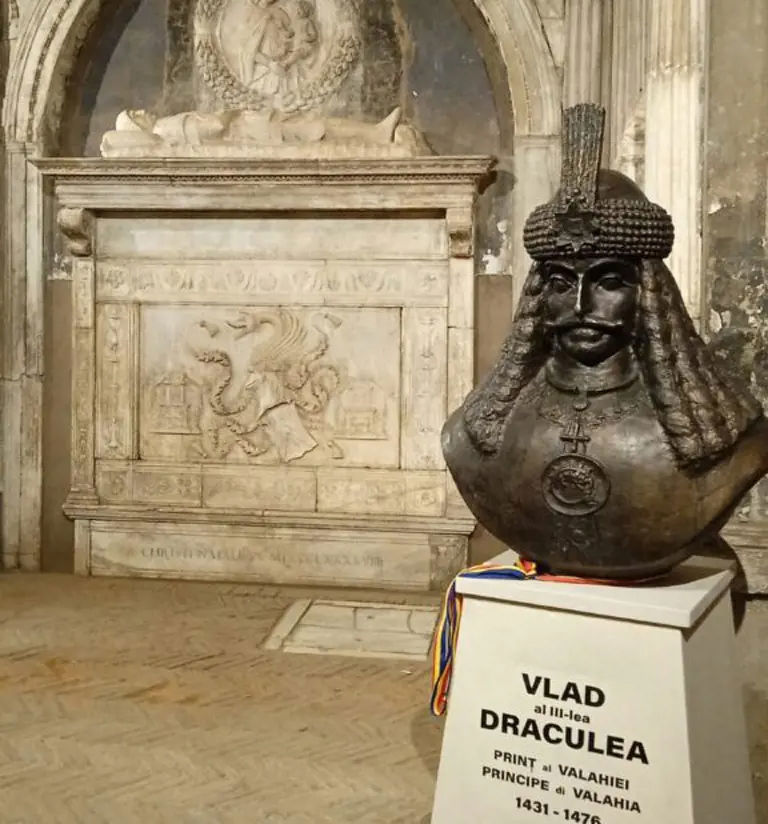
According to some historians, the remains of Count Vlad III of Wallachia, commonly known as Dracula, may be located in the Church of Santa Maria la Nova in Naples.
Some studies and theories suggest that Vlad did not die in battle, but was captured by the Turks and later ransomed by a secret daughter who had been adopted by a Neapolitan aristocratic family. These hypotheses connect the famous historical figure who inspired the Dracula legend to the city of Naples.
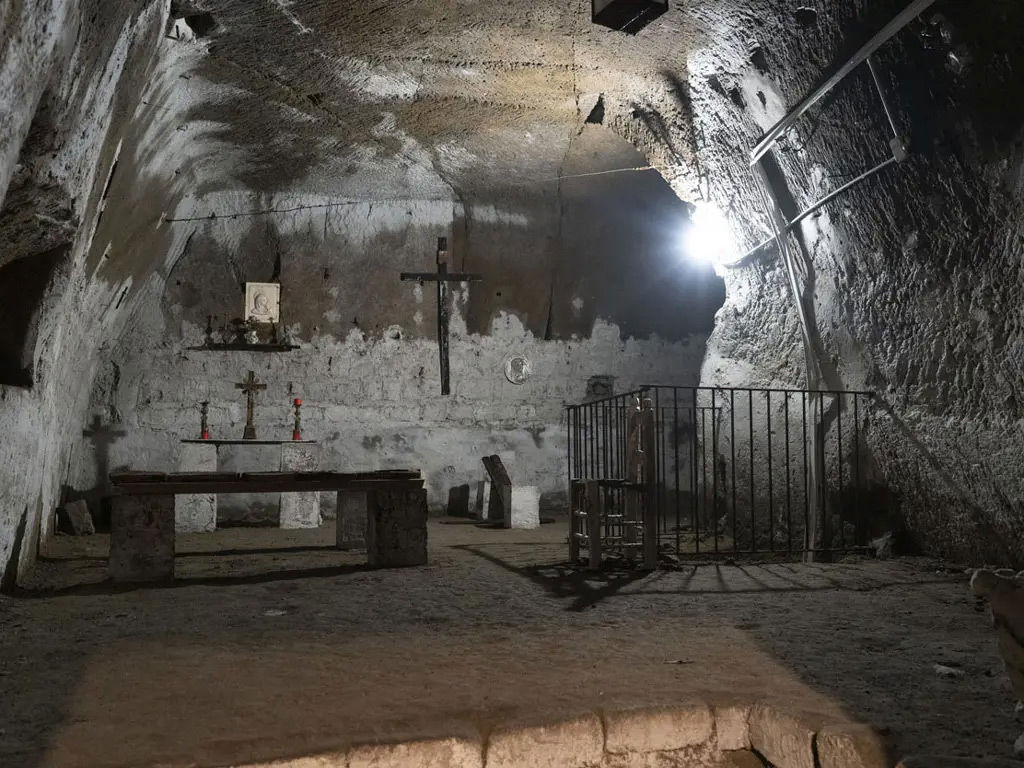
O’ Munaciello, literally meaning “little monk”, is one of the most famous esoteric figures in Naples. Suspended between myth and reality, the legend describes him both as a bringer of good fortune — hiding coins or suggesting lucky numbers for the Lotto — and as a mischievous spirit who can make objects disappear or frighten people while they sleep.
The origins of the Munaciello are debated: some link him to underground Naples and the ancient well-keepers (pozzari), while others connect the legend to the court of Alfonso V of Aragon, where a monk involved with a noblewoman was allegedly murdered. Whatever the truth may be, the Munaciello remains one of the most fascinating mysteries of Naples’ historic center.